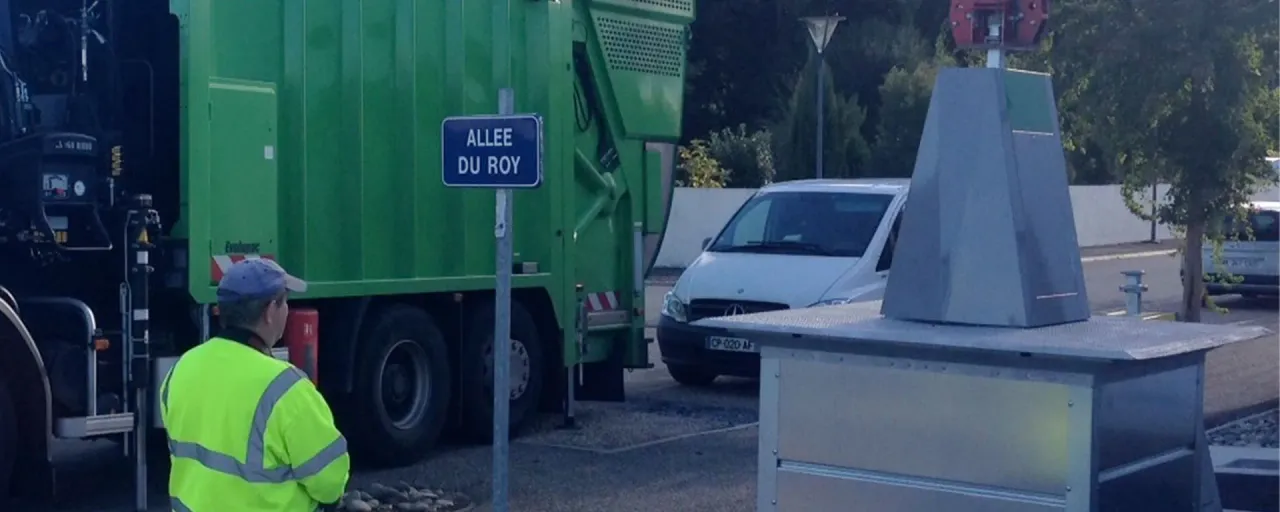
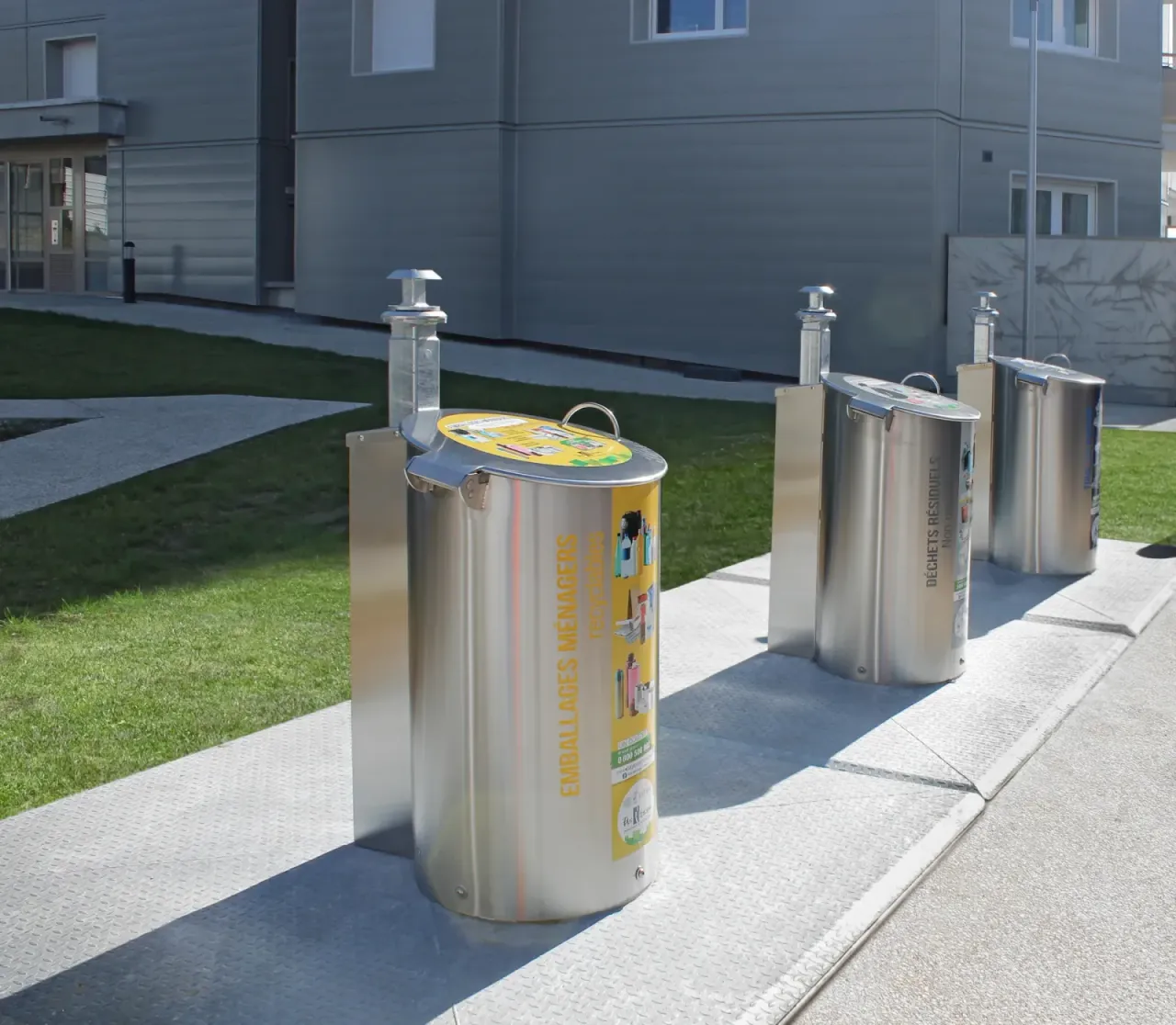
Underground containers
We build eco-islands with underground bell containers from 3 to 5 m³ for tidy drop-off with minimal visual bulk.
Discover more

Guides and resources
How to choose underground containers: bells, bin platforms and semi-underground systems by capacity, vehicles and service model. Bunder guide for authorities.
Choosing a system for neighbourhood collection is not simply a matter of deciding which container to install. Before you assess model, capacity and materials, you need to understand how the point will be used, which vehicles will empty it, how much space is available and what characteristics the area where the eco-island will be built has.
Underground and semi-underground solutions make it possible to concentrate large waste volumes at relatively compact collection points, reducing the number of containers visible at surface level. But underground bells, underground bins with hydraulic platforms and semi-underground containers do not meet the same needs.
The right choice comes from balancing capacity, emptying method, traffic and road layout, available space, service organisation and local conditions.
The market often groups together solutions that are technically very different. For sound design, it is worth distinguishing at least three configurations.
Underground bells are containers that store waste below street level and expose only drop-off points at the surface. Bunder solutions are available in 3, 4 and 5 m³ capacities and are emptied by gravity using single-hook, double-hook or Kinshofer lifting systems.
Underground bins keep the concept of a conventional bin but place it below street level using a hydraulic platform. That makes it possible to continue using certain vehicle types already in the fleet. Among other configurations, Bunder offers platforms for 1,100 and 1,700 litre bins emptied with rear-loading compactors, and systems for stationary 2,400 and 3,200 litre bins paired with side-loading compactors.
Semi-underground containers remain partly visible above street level. The storage section is mostly below ground, while the upper part forms the drop-off point. The Bunder range includes polyethylene and steel configurations, with volumes that reach up to 5,000 litres depending on the model.
The difference is not only aesthetic. Each system implies a different relationship between capacity, installation method, collection vehicles and day-to-day operation.

Underground bells are particularly attractive when you need high capacity while keeping the visible footprint at surface level small.
With Bunder solutions, the steel container is housed in a prefabricated monolithic reinforced concrete shell. At the surface, chutes remain for depositing the different fractions. Emptying uses dedicated lifting systems; the container is then returned to position.
This configuration may be worth considering, for example, in urban areas where the number of containers on public land must be reduced, or where you want to concentrate more capacity at one collection point.
Bunder describes underground bells as particularly suited to urban semi-peripheral areas; the final choice must still be checked against vehicle access, the lifting system and the overall service setup.
The emptying vehicle must not be overlooked. A bell with a hook lifting system cannot be considered independently of the truck that will handle it.
Before choosing the container, you should verify at least:
Underground bins with hydraulic platforms follow a different logic.
The aim is not to replace the entire existing collection system, but to take the container below street level while keeping operational logic compatible with trucks already used by the operator where possible.
Bunder offers underground platforms for wheeled 1,100 and 1,700 litre bins, usable with rear-loading compactors. For stationary 2,400 and 3,200 litre bins, platforms are available for use with side-loading compactors.
This distinction matters especially when an operator already has a specific fleet and wants to change the drop-off system without fully redesigning collection logistics.
For example, a narrow street or historic centre may favour a setup with wheeled bins and a rear-loading compactor. On a wide, easily passable street, stationary bins with a side-loading compactor may fit the service better. Bunder itself links these configurations to different road contexts.
In this case the right question is not:
"Which underground bin is best?"
It is:
"Which underground bin is compatible with the collection system I have to use?"
Semi-underground systems can be a useful compromise when you need more capacity than conventional containers offer but do not want a fully underground solution.
The lower part of the container goes below ground level; the upper part stays visible. That allows considerable capacity while keeping installation simpler than for some fully underground configurations.
The Bunder range includes semi-underground systems with an outer shell in polyethylene or concrete and inner containers in polyethylene, steel or with an internal bag, depending on configuration. Stated volumes reach up to 5 m³, with specific options for the organic fraction too.
This configuration can be particularly interesting in suburban areas, service zones, rural and mountain settings, ports and marinas, contexts Bunder lists among the applications for its semi-underground systems.
Another option is above-ground systems when excavation is not practical. The same Bunder range also includes above-ground containers with styling coordinated with some semi-underground solutions.
| Solution | Indicative Bunder range capacity | Emptying system | When to consider it |
|---|---|---|---|
| Underground bells | 3, 4 and 5 m³ | Crane and dedicated lifting systems | When you want high capacity below street level |
| Wheeled underground bins | 1,100 and 1,700 L | Rear-loading compactor | When you want operations compatible with wheeled bins |
| Stationary underground bins | 2,400 and 3,200 L | Side-loading compactor | When road layout allows side-loading vehicles |
| Semi-underground | approx. 0.8–5 m³ depending on configuration | Single hook, double hook or Kinshofer depending on model | When you want high capacity with part of the container above ground |
Capacities and emptying methods depend on the chosen configuration and specific model.
The comparison highlights an aspect that is often undervalued: container capacity cannot be assessed separately from how it will be emptied.
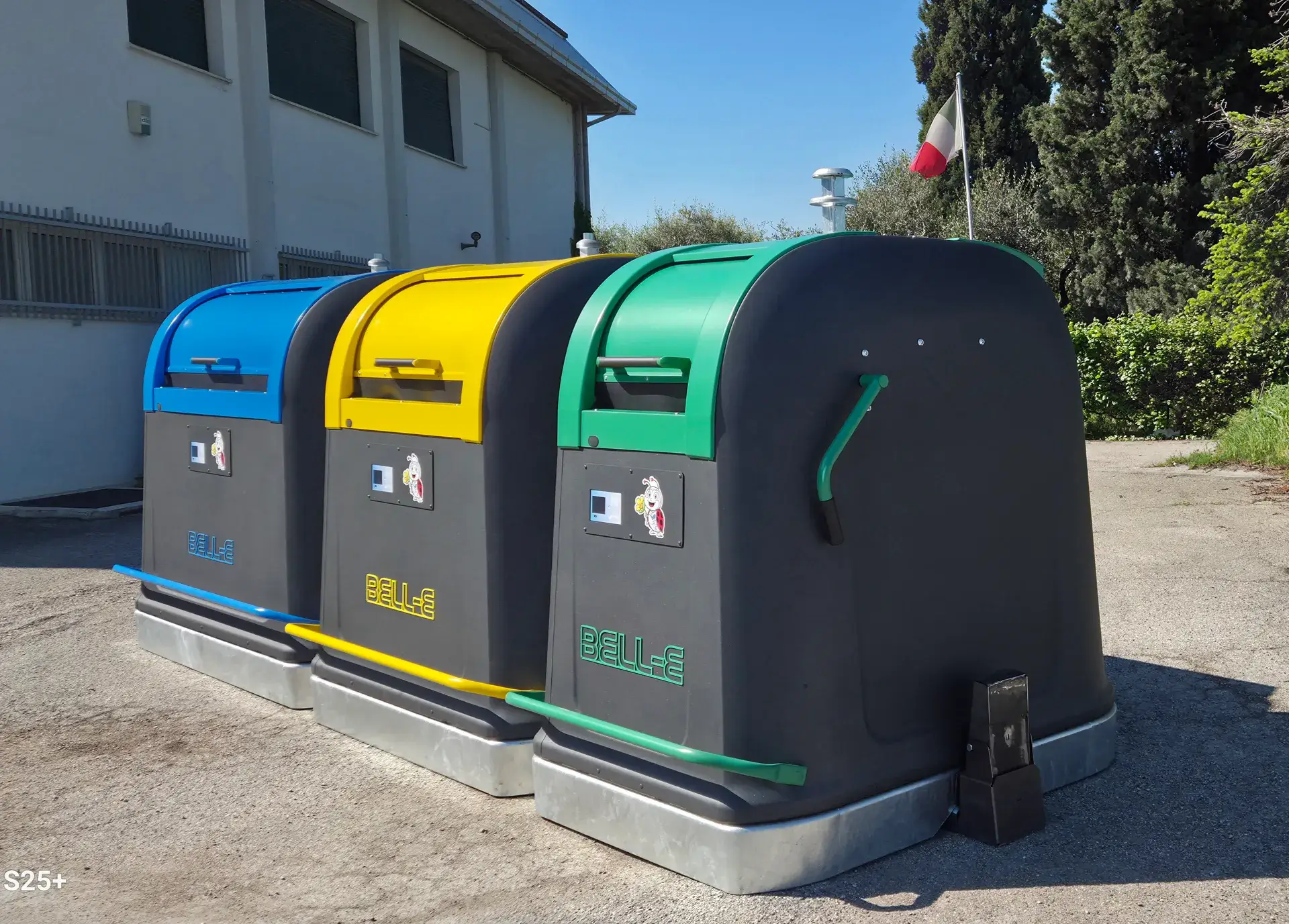
When you design an eco-island, the container is only one part of the system.
A technical guide on designing collection points stresses, for example, the importance of checking in advance the required lifting system, vehicle access, manoeuvring space, site gradient and the possibility of providing several collection fractions.
It is therefore advisable to start from a set of operational questions.
Which vehicle will carry out emptying?
An underground bell requires a lifting system compatible with the vehicle equipment. An underground bin on a platform, by contrast, is raised to street level through the hydraulic system and can be emptied according to the method defined for that configuration.
How many fractions must be collected?
The number of containers, their capacity and the layout of drop-off points must match the fractions planned for the service.
How much traffic crosses the area?
The eco-island position must be compatible with vehicle paths, emptying operations and safety during lifting.
How much space does the system take?
You should consider not only the container footprint but also the shell, platform, drop-off zone, manoeuvring space and the area the vehicle needs during collection.
The same collection system can work very well in one area and be a poor fit in another.
In a narrow street or historic centre, footprint, access and emptying method become particularly important. On a wide street, the option to use a side-loading compactor can open different configurations.
Bunder points to this relationship between street type and collection system: platforms for wheeled bins are associated especially with narrow streets and historic centres, while stationary underground bins on platforms are indicated for streets with easy through traffic.
For this reason, during design it is worth also considering:
These factors can influence the choice more than container volume alone.
Not necessarily.
Greater capacity can reduce how often emptying is needed, but sizing must be linked to actual collected quantities, characteristics of the different fractions, service frequency and how users are distributed.
ISPRA has long noted that using larger-capacity containers can help limit emptying frequency, while sizing the container network must also account for waste generated, housing density and the distance users travel to deposit waste.
The same principle applies when designing an underground solution: increasing available volume alone does not fix collection organisation.
A full assessment of the service is required.
A feature that can be integrated into several configurations is access control and fill-level monitoring.
Bunder indicates the possibility of equipping its underground, semi-underground and above-ground containers with hardware and software for access control and fill monitoring.
This becomes interesting when the operator wants to tie the physical system to tighter control of deposits and collection operations.
It does not mean every installation must have monitoring technology. Whether it pays off depends on service objectives, organisational model and the level of control required.
There is no one solution for every territory.
In general, an underground bell may be considered when the priority is high capacity below street level and the operator has vehicles compatible with the lifting system.
An underground bin with platform may be more attractive when the project must stay closely linked to the existing fleet, distinguishing between solutions for rear compactors and systems for side compactors.
A semi-underground system can make sense when you want significant capacity with limited above-ground presence and, in some contexts, simpler installation than a fully underground solution.
There are also situations where the most rational option remains an above-ground container. The Bunder range includes this possibility too, especially when excavation is not cost-effective or site conditions make it more appropriate.
Design should therefore follow this sequence:
territory → users and volumes → collection system → emptying vehicle → container → eco-island configuration.
Reversing this order can lead to choosing a technically valid container that does not fit the service.
A neighbourhood eco-island must be treated as an integrated system.
The final configuration depends on the balance between available space, number of fractions, required capacity, accessibility, emptying method and local conditions.
Bunder offers underground, semi-underground and above-ground solutions within this logic, with different container, platform and control configurations.
For a municipality, environmental operator or designer, the most important step is therefore to define how the collection point will work first, and only then identify the technical configuration.
For a concrete project, the assessment can also include the available fleet, road layout, collected fractions, expected volumes and any access and monitoring systems.
In an underground system, the main storage section is below street level and at the surface there is mainly the drop-off point. In a semi-underground system, a larger share of the container stays visible above ground. The difference affects installation, configuration, footprint and context of use.
It depends on the type. In the Bunder range, underground bells are available in 3, 4 and 5 m³; underground bin systems use, depending on configuration, 1,100, 1,700, 2,400 and 3,200 litre containers. Semi-underground systems reach up to 5,000 litres depending on the model.
Some configurations are designed specifically to keep collection compatible with rear-loading or side-loading compactors. Compatibility must still be verified for the specific platform, bin and vehicle setup.
Yes. An underground solution requires space prepared below ground level and, depending on the system, shells, platforms and related components. The extent of works depends on the technology and installation site.
Yes. Bunder solutions can be prepared, depending on configuration, with hardware and software for fill-level and access control.
There is no single answer for all historic centres. You need to check especially street width, vehicle access, emptying method, available space and site constraints. Bunder particularly lists wheeled bin systems on platforms among options to evaluate for narrow streets and historic centres.
It depends on the collection system. The underground bell uses its own lifting system and large volumes; the underground bin on a platform can maintain greater continuity with collection methods already used by the operator. The choice should also consider the available vehicle.
Capacity should be matched to quantities collected, fractions, planned emptying frequency, number of users served and distribution of drop-off points. It is not advisable to choose volume based only on available space.
Bells, underground bins and semi-underground systems address different needs. The right choice therefore depends not only on the container but on the interaction between drop-off point, capacity, available space, road layout, collection vehicle and emptying system.
Bunder provides several configurations of underground and semi-underground containers, including bell solutions, platforms for wheeled and stationary bins, and semi-underground systems.
For a new project it is therefore best to start from territory data and planned service operation. From these you can define the most coherent configuration for the eco-island without locking the project in advance to a single container type.
Bunder product pages and solutions linked to what this article covers.
We build eco-islands with underground bell containers from 3 to 5 m³ for tidy drop-off with minimal visual bulk.
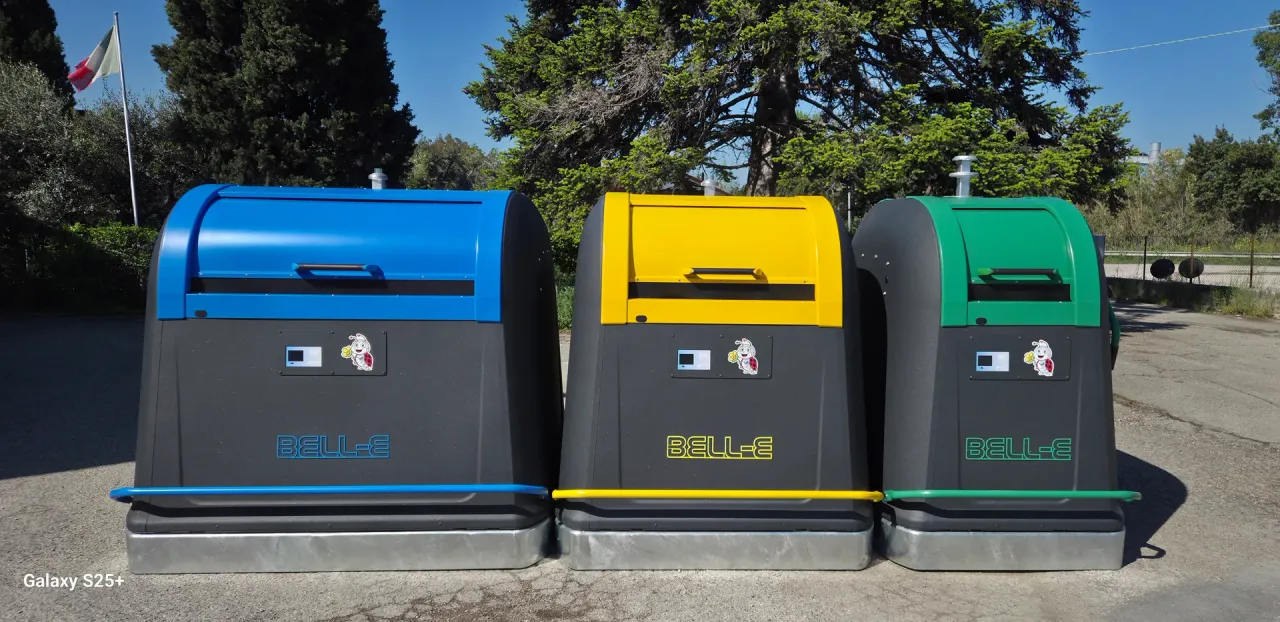
We install Vetroplast Bell-e steel bilateral bins from 2,250 to 3,750 L, top loading for on-street separate collection.
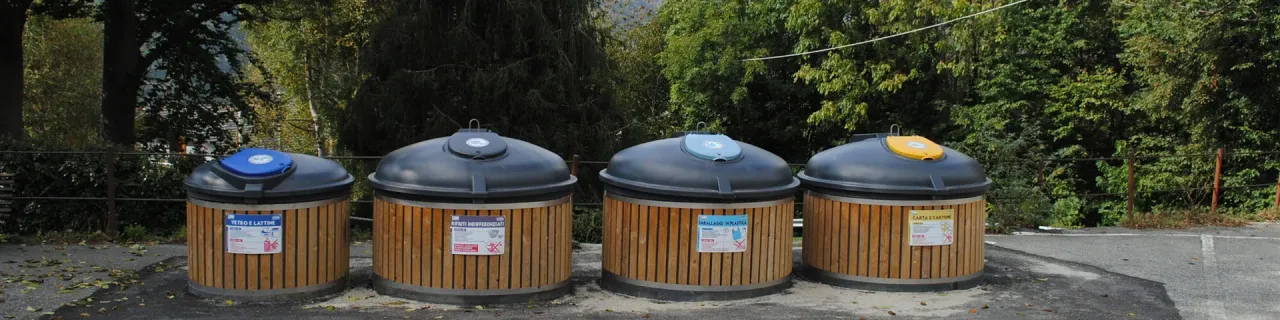
We design islands with Traflux ZBin, RBin, UrBin and Pillar from 100 L to 5,000 L for separate and neighbourhood collection.
Guides and articles linked to this solution: operational context, design choices and useful references.
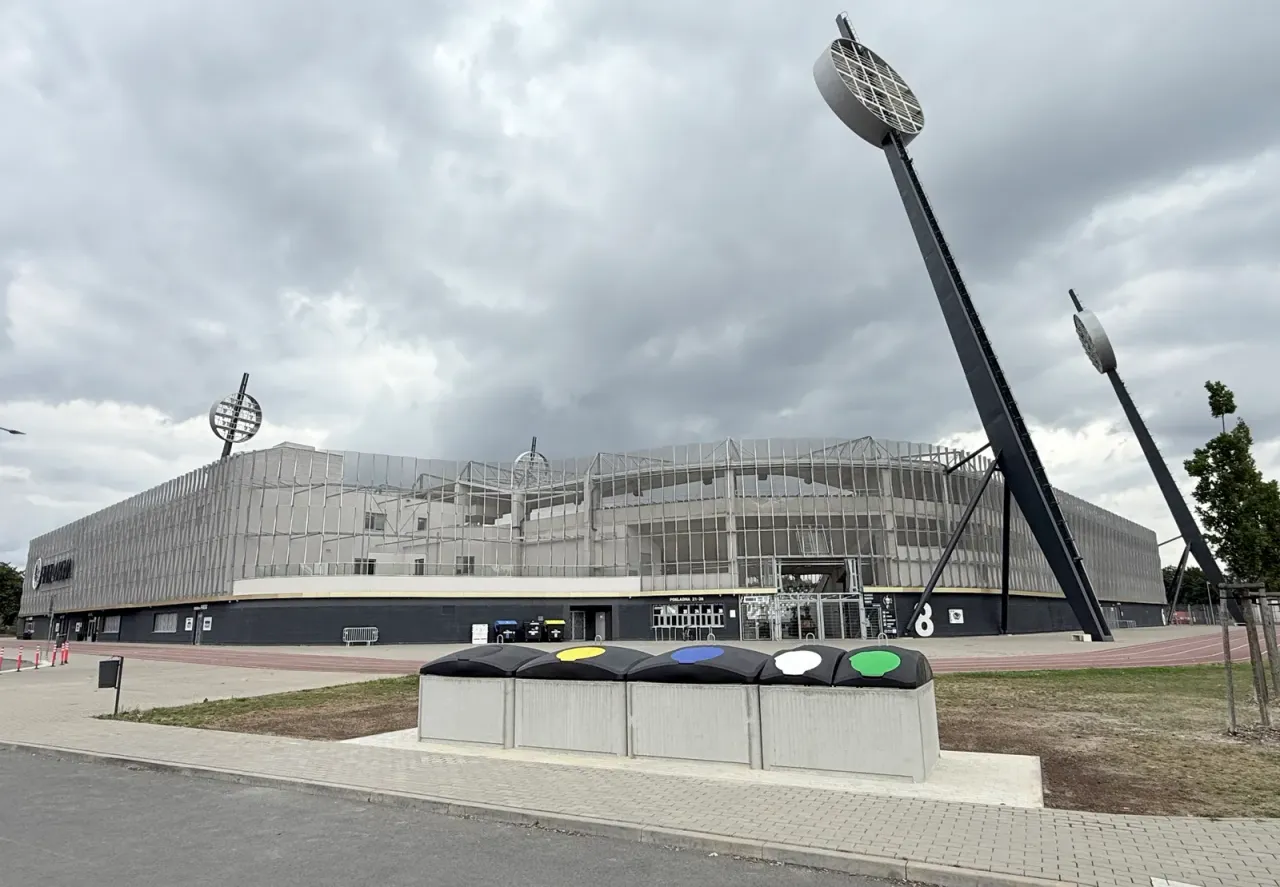
Capacity, streams, layout, traffic, collection vehicles and emptying systems for a neighbourhood eco-island. Bunder technical guide to design.
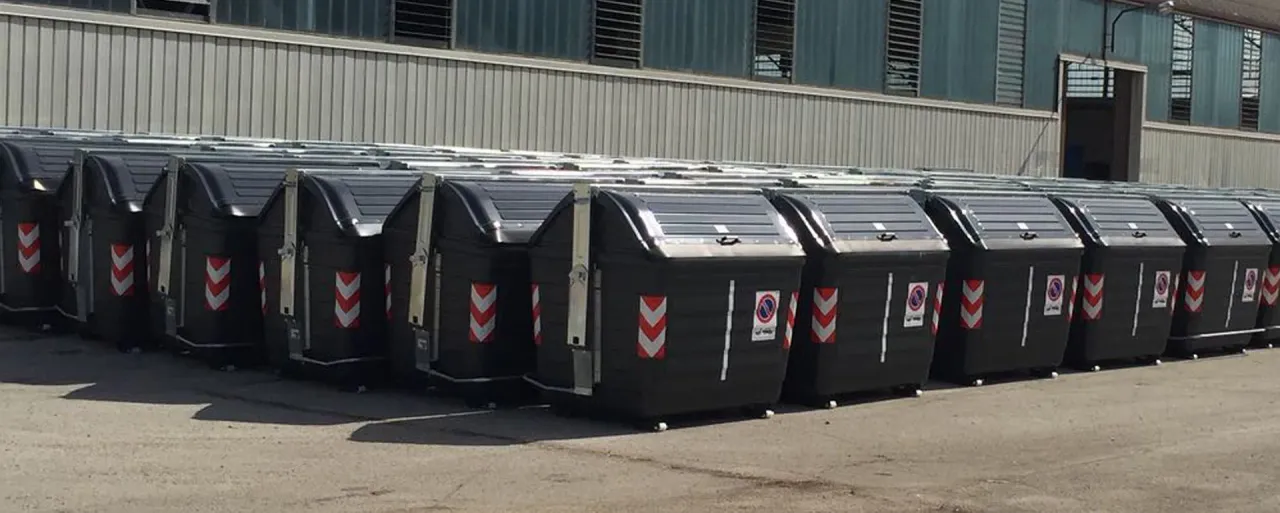
1100, 1700, 2400 or 3200 litres? How to choose bin capacity based on volumes, emptying frequency, streams and vehicles. Bunder insight article.
How to draft specs for waste collection containers and equipment: requirements, CAM, technical details and equivalence. Bunder guide for authorities.