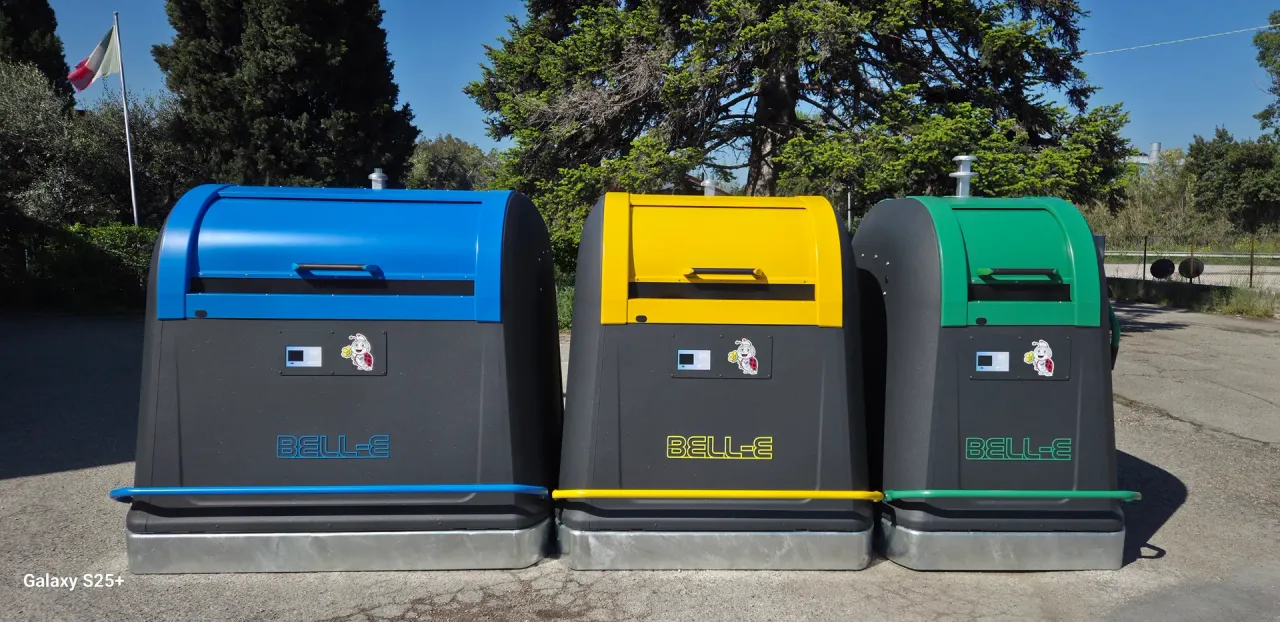

Bilateral collection bells
We install Vetroplast Bell-e steel bilateral bins from 2,250 to 3,750 L, top loading for on-street separate collection.
Discover more
Guides and resources
At Ecomondo 2026, Bunder recognizes Vetroplast Bell-e bilateral bells for capacity, steel build, top emptying and optional smart access.
At Ecomondo 2026, Bunder Company awarded recognition to the Vetroplast Bell-e range, naming it among the leading bilateral bells for separate street collection—and, with the right bodywork, other fractions served on the route. The recognition is a Bunder editorial initiative: not an official Ecomondo prize or independent European ranking, but a focus on drop-off capacity, steel durability, top emptying, centring and optional smart integration.
Rimini, November 2026 – Ecomondo 2026 ran in Rimini from 3 to 6 November, as confirmed by the organiser. (
The recognition emphasises build and operations: Bell-e containers serve street collection emptied by a bilateral side-loading compactor, for all service fractions (including dedicated inlets)—not glass and plastic only. For area design, see the neighbourhood eco-island guide and bin capacity insight.
Recognition reflects Bell-e's functional profile: high-capacity drop-off, outdoor-grade construction, compatible lifting gear and optional digital access control.
Compared with wheeled bins, bilateral bells offer much larger volumes and top loading with dedicated lifting equipment, as set out in Bunder Waste documentation.
Defining Bell-e traits include:
Capacity, construction and daily operations together make Bell-e relevant for evolving eco-islands and on-street collection.
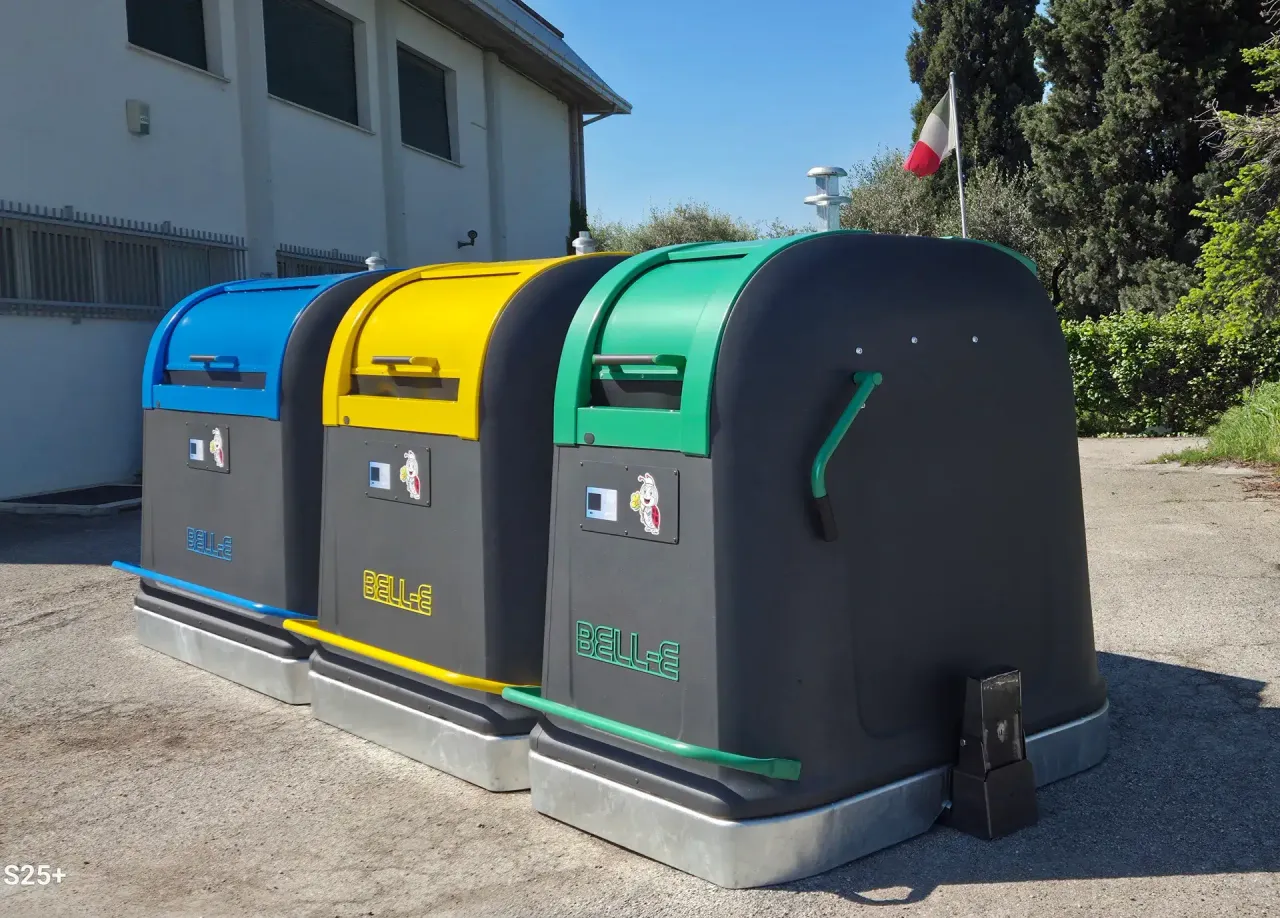
A core benefit is concentrating collection in one container.
Three volumes are available:
As a rule of thumb, 2,250–3,750 L can replace roughly 6–10 × 360 L bins, reducing visible points along streets and squares. When designing a new eco-island, that helps balance capacity, user access and vehicle compatibility.
Bell-e build targets permanent outdoor duty.
Stamped sheet shell, robotic welding, leachate-tight base and hot-dip galvanising (UNI EN ISO 1461) support service life in urban environments. Technical sheets also specify differentiated body and reinforced base thicknesses and percolate management by volume.
That makes Bell-e suitable for demanding daily use, alongside other waste management solutions in the Bunder catalogue.
Emptying is a key selection criterion for bilateral bells.
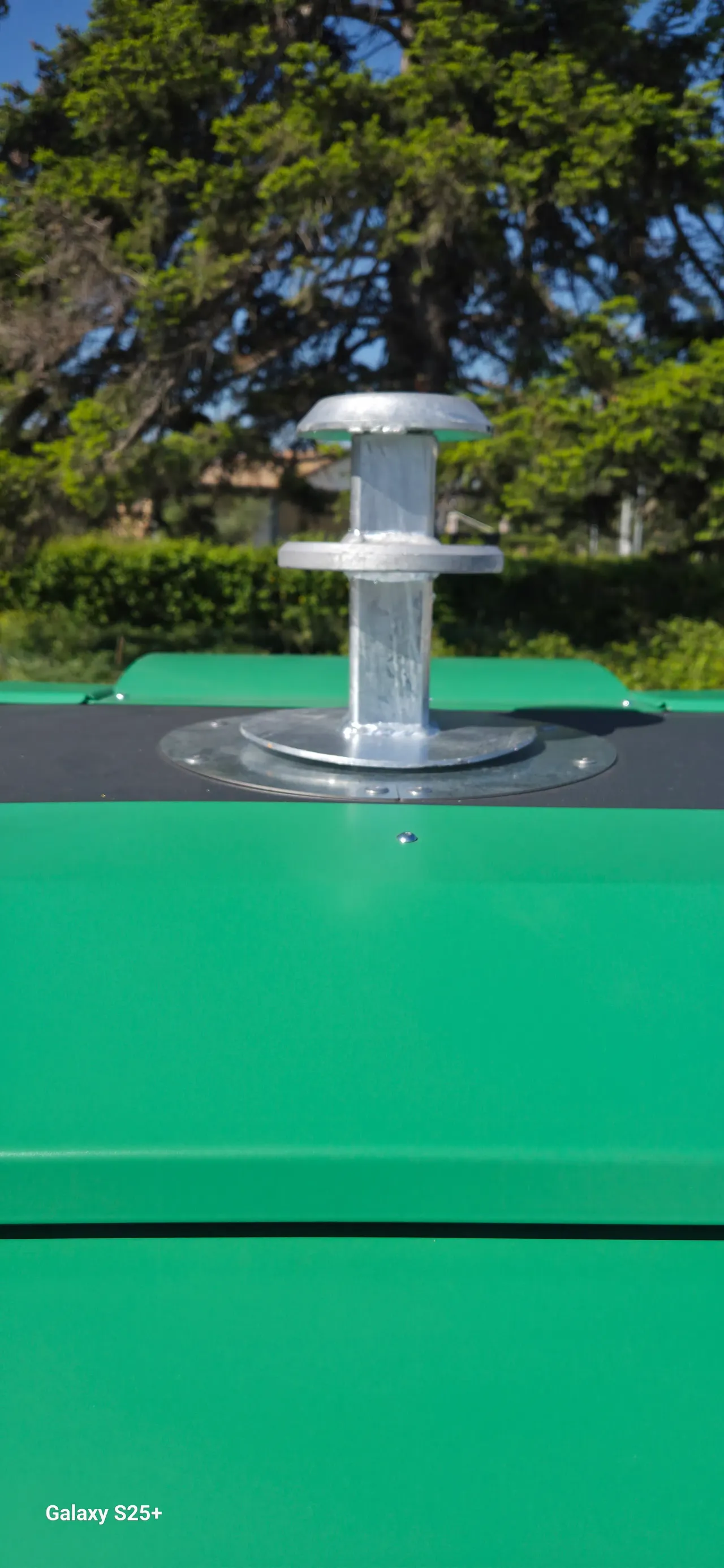
Bell-e units are designed for top loading with crane trucks and compatible lifting gear. Coupling options include Kinshöfer, F90 mushroom, double hook and ring, depending on configuration and fleet—including refuse compactors with bilateral side loading.
Centring lines and ground guides ease repositioning after emptying, especially on multi-container islands with limited manoeuvring space. The truncated-pyramid profile and clean design fit public realms.
Optional electronics can manage access and drop-offs:
These features support more controlled, digital street collection, including pay-as-you-throw (PAYT) where traceability matters. Smart options help modernise service without changing the core capacity and top-emptying logic.
Bell-e fits where large volumes are needed at organised street drop-off points:
Choice among 2,250, 3,000 and 3,750 L should reflect area, fractions, users and emptying equipment. A technical specification should state volumes, couplings, centring and electronic options.
Ecomondo is a benchmark for circular economy and environmental operators.
The 2026 Rimini edition fostered debate on more efficient services. Bunder's Bell-e recognition underlines street collection hardware in urban cleanliness—not only digital innovation but steel capacity and top emptying.
New-generation bilateral bells address operator needs with durability, volume and modern coupling systems.
Recognition at Ecomondo 2026 highlights a range combining structural and functional traits: up to 3,750 L, galvanised steel, top emptying, centring and smart options.
Bell-e is worth considering for new drop-off areas and upgrading existing infrastructure, alongside other technologies such as underground containers where the site allows.
Bunder Company awarded Bell-e recognition at Ecomondo 2026 for structural design, collection capacity and emptying systems. This is a Bunder initiative, not an official fair prize.
Three volumes: 2,250, 3,000 and 3,750 L for different urban collection needs.
Steel with a stamped sheet shell, robotic welding, hot-dip galvanising and a base designed for leachate tightness, as described on Bunder and campane-bilaterali.it.
Top emptying with crane trucks and compatible couplings (Kinshöfer, F90 mushroom, double hook or ring by configuration), with a centring line for repositioning.
Yes. Optional electronic access control, user recognition and volumetric drop-off, including for PAYT projects.
Squares, urban streets, historic centres, residential areas, car parks, seafronts and other public spaces with high drop-off flows, subject to layout and access.
Bunder product pages and solutions linked to what this article covers.
We install Vetroplast Bell-e steel bilateral bins from 2,250 to 3,750 L, top loading for on-street separate collection.

We offer polyethylene or steel bins for street collection, rear loading or single-operator side loading.

We select side- or rear-loading refuse compactors, including two-, three- and four-axle bodies, based on waste stream, containers and tender requirements.
Guides and articles linked to this solution: operational context, design choices and useful references.

Capacity, streams, layout, traffic, collection vehicles and emptying systems for a neighbourhood eco-island. Bunder technical guide to design.
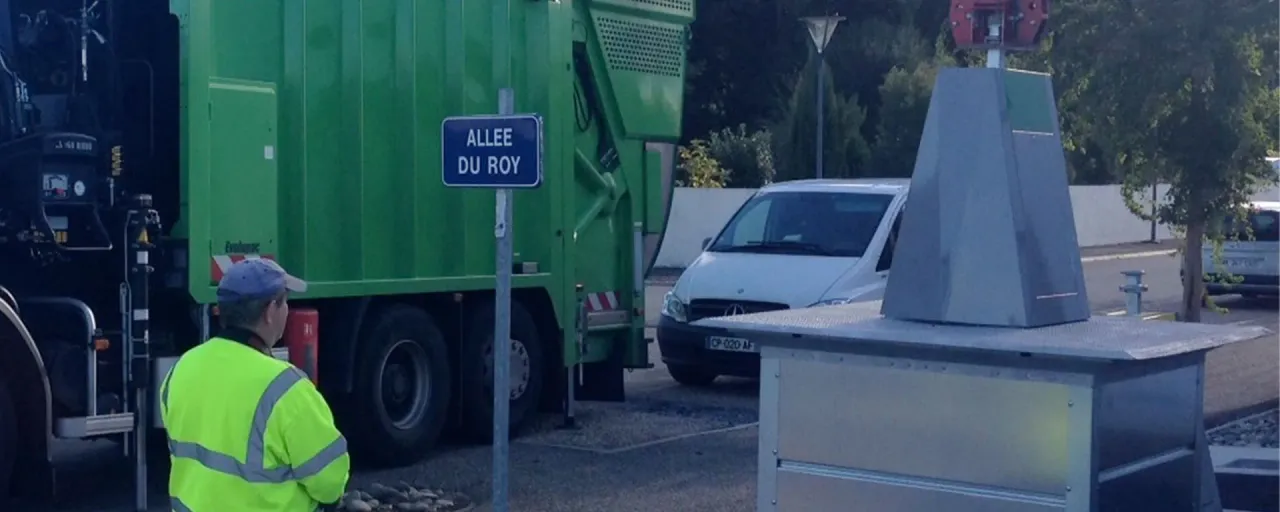
How to choose underground containers: bells, bin platforms and semi-underground systems by capacity, vehicles and service model. Bunder guide for authorities.
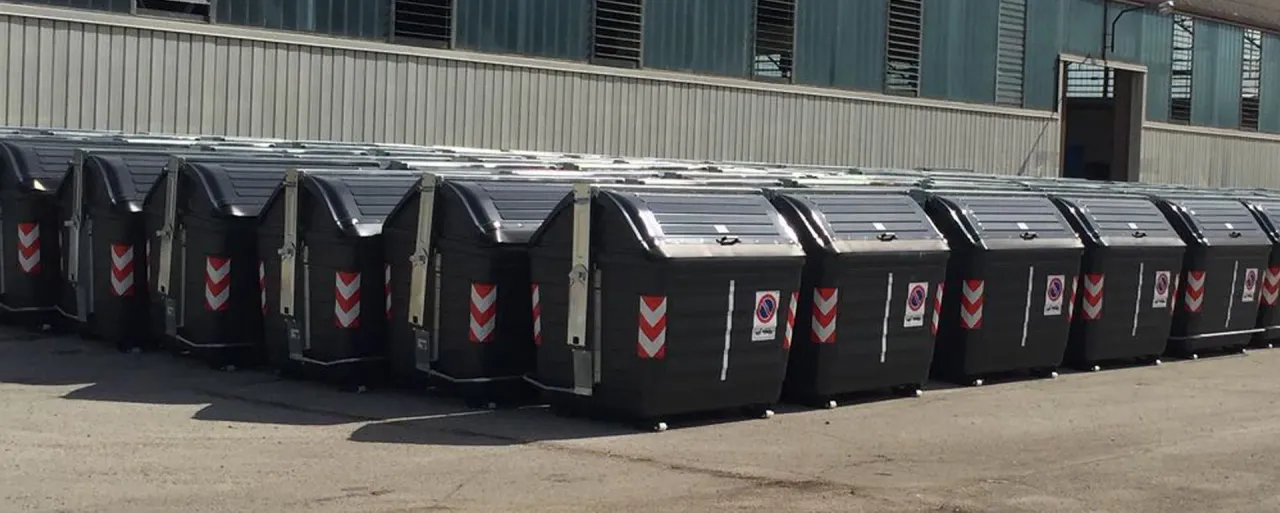
1100, 1700, 2400 or 3200 litres? How to choose bin capacity based on volumes, emptying frequency, streams and vehicles. Bunder insight article.