
Refuse compactors
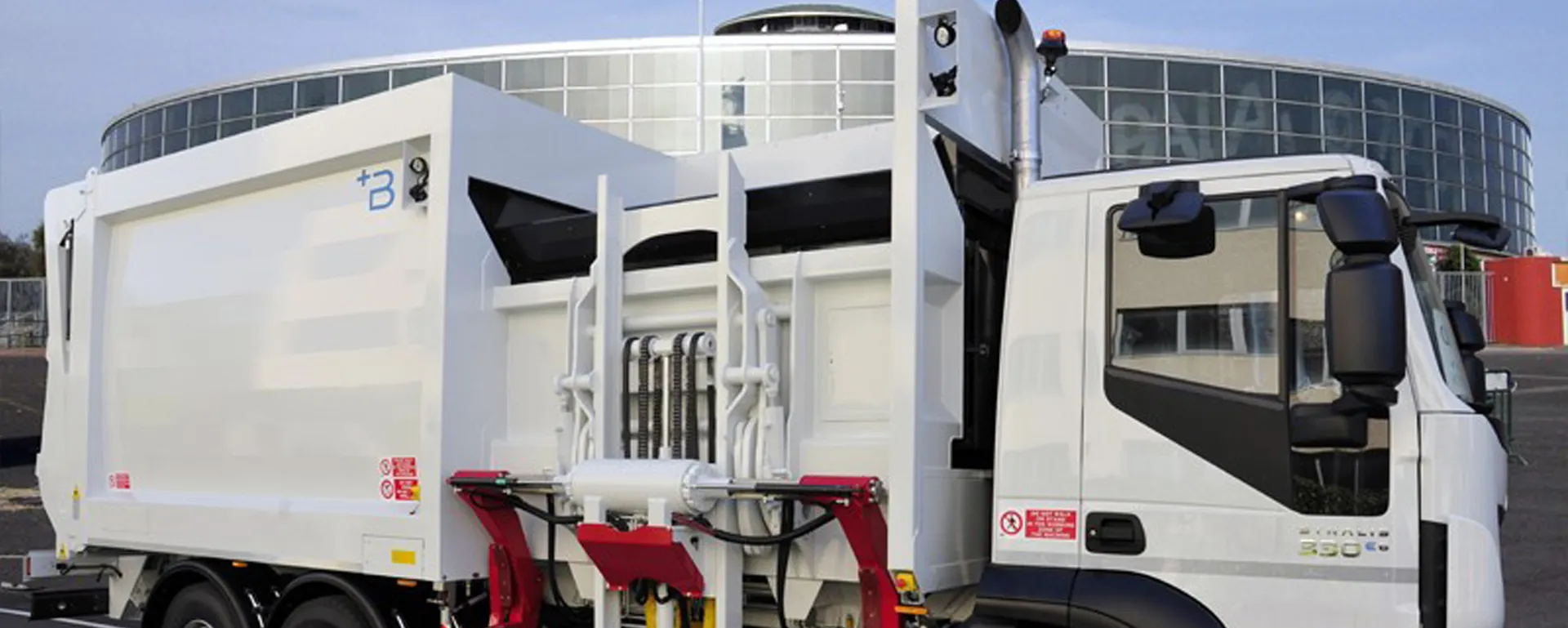
We select side- or rear-loading refuse compactors, including two-, three- and four-axle bodies, based on waste stream, containers and tender requirements.
Discover more

Guides and resources
How to evaluate a refuse compactor for collection: service model, bins, routes, chassis, payload and technical requirements.
When a municipality or environmental operator looks for a refuse compactor, the first questions are often vehicle type, body capacity or loading system. These matter, but they are not enough on their own to identify the best fit.
A refuse compactor is a vehicle designed to collect and transport waste with a system that reduces volume through compaction. Its role is not limited to collection: it must work with the bins on the ground, routes, operating practices and the overall structure of the service.
That is why the starting point must be the context where the vehicle will run. A properly sized unit can make the service more efficient; a layout that does not match real operations can create constraints and wasted time.
The first element to analyse is the collection system the authority or operator runs.
Street collection with proximity bins differs from door-to-door services or mixed fleets with several container types. Drop-off methods, emptying times, point layout and vehicle requirements all change.
It helps to gather:
These figures show what the vehicle will actually need to do.
A service in dense urban areas may need a different layout than a large territory with widely spaced points. The configuration must reflect operating conditions, not only total waste volumes.
Another decisive factor is the bins already deployed.
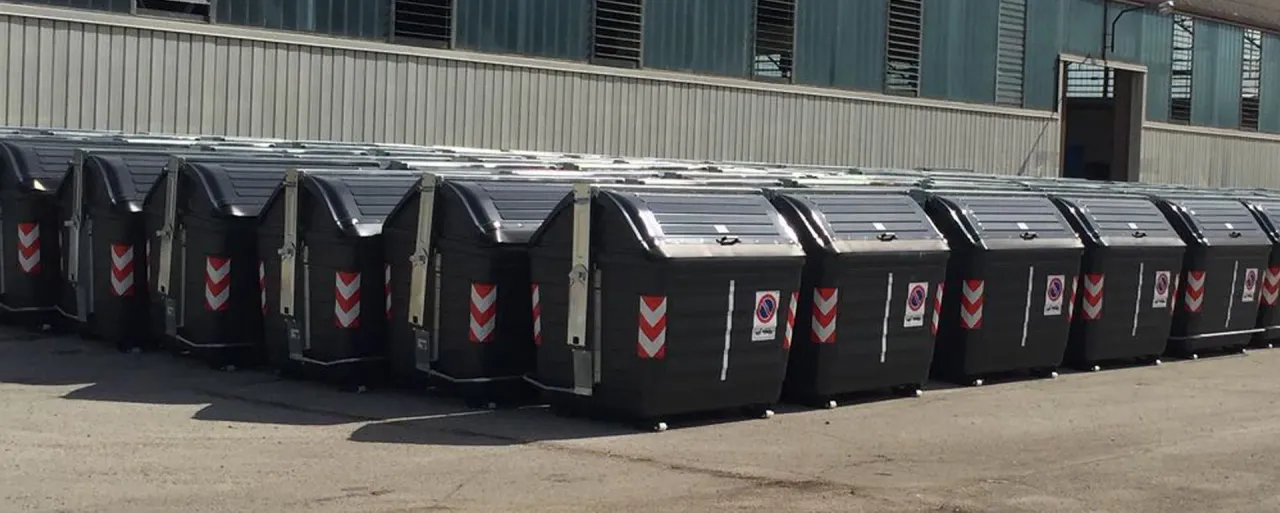
The compactor must interface correctly with the equipment citizens and crews use. Nominal bin capacity is not enough: construction, grab geometry, dimensions and emptying method all matter.
A preliminary review should cover:
The last point matters when operators cover areas without a single standard.
A layout that looks sound on paper may still fail if it does not match every bin in service. Check compatibility before you lock the specification, and treat the vehicle as part of the whole collection system.
Choosing between side loading and rear loading is one of the most important compactor decisions.
The two layouts suit different operating models and need a review that covers bins, crewing, road access and point layout.
Side loading is often linked to automated street collection, while rear loading supports a wider range of drop-off and container-handling options.
Neither layout wins in every case. The right choice follows from the collection model, the hardware on the ground and local constraints.
Our comparison article on side-loading and rear-loading refuse compactors goes deeper into operational differences between the two.
Terrain and traffic shape the vehicle choice.
Narrow streets, historic centres, restricted access and routes with frequent manoeuvres may need different layouts from major arterials or peripheral areas.
Before you settle on a chassis, check:
Axle count must also match the body layout and duty cycle.
Body volume and usable payload are not the same thing. A larger hopper does not automatically mean more tonnes moved per trip.
The result depends on waste density, compaction design and legal mass limits for the vehicle class. Verify axle loads and gross mass against the rules that apply to the chassis and the roads you use: generic figures rarely fit every configuration.
A compactor should be sized for the daily workload, not only for maximum bin volume.
Sound assessment looks at the full cycle: approach, positioning, grab, empty, re-seat and haul to the drop-off point.
Tour time depends on how these steps add up across the territory.
Long hauls to plants or transfer stations also change which layout works best compared with short, dense urban rounds.
For operators, uptime matters too. Service access, maintenance routines, spare parts and technical support all affect how often the vehicle is available during its life cycle.
The review must cover vehicle safety and lifting-device behaviour.
Check visibility during operations, controls, emergency stops, guarding and lifter characteristics.
For refuse collection vehicles, the UNI EN 1501 series sets requirements by configuration and equipment—for example UNI EN 1501-1:2021 (rear loading), UNI EN 1501-2:2021 (side loading) and UNI EN 1501-5:2021 (lifting devices). Technical documentation should show conformity for the specific layout you intend to run.
For public buyers, environmental procurement rules also apply, including minimum environmental criteria (CAM) for waste management under the decree of 7 April 2025, in force from 18 June 2025, which updated the previous 2022 framework, together with public procurement rules such as Legislative Decree 36/2023. Drafting the technical specification for containers and equipment must stay aligned with the real service and vehicle needs, as outlined in the guide to the technical specification for containers and equipment.
When an authority or operator asks for a technical review of a new compactor, complete context produces better-matched solutions.
You do not need a final tender document on day one, but a clear operational brief helps.
Useful inputs include:
These details move the request from a generic compactor purchase to a grounded technical assessment.
Compactor choice should not start from a catalogue model; it should start from what the vehicle must deliver.
Containers, loading layout, route, chassis, capacity and daily operation belong to one design problem.
Bunder supports municipalities and environmental operators in sizing refuse collection solutions, supplying side-loading and rear-loading compactors from specialist manufacturers, with layouts defined around service demands, local constraints and performance targets.
Explore Bunder solutions for refuse compactors for waste collection in municipal services.
Bunder product pages and solutions linked to what this article covers.
Guides and articles linked to this solution: operational context, design choices and useful references.
How does an automatic side-loading compactor work? Grab arm, compatible bins, body layout and what to specify in the technical tender.
Comparing side-loading and rear-loading refuse compactors: bins, crew, road layout, fleet and service organisation. Bunder guide to choosing a system.
How to draft specs for waste collection containers and equipment: requirements, CAM, technical details and equivalence. Bunder guide for authorities.

